
One team fewer
A week off, meant for training for a race, but between my morning and evening training sessions (to avoid the heat of the day) I had time, and I used it to build my sister's website.
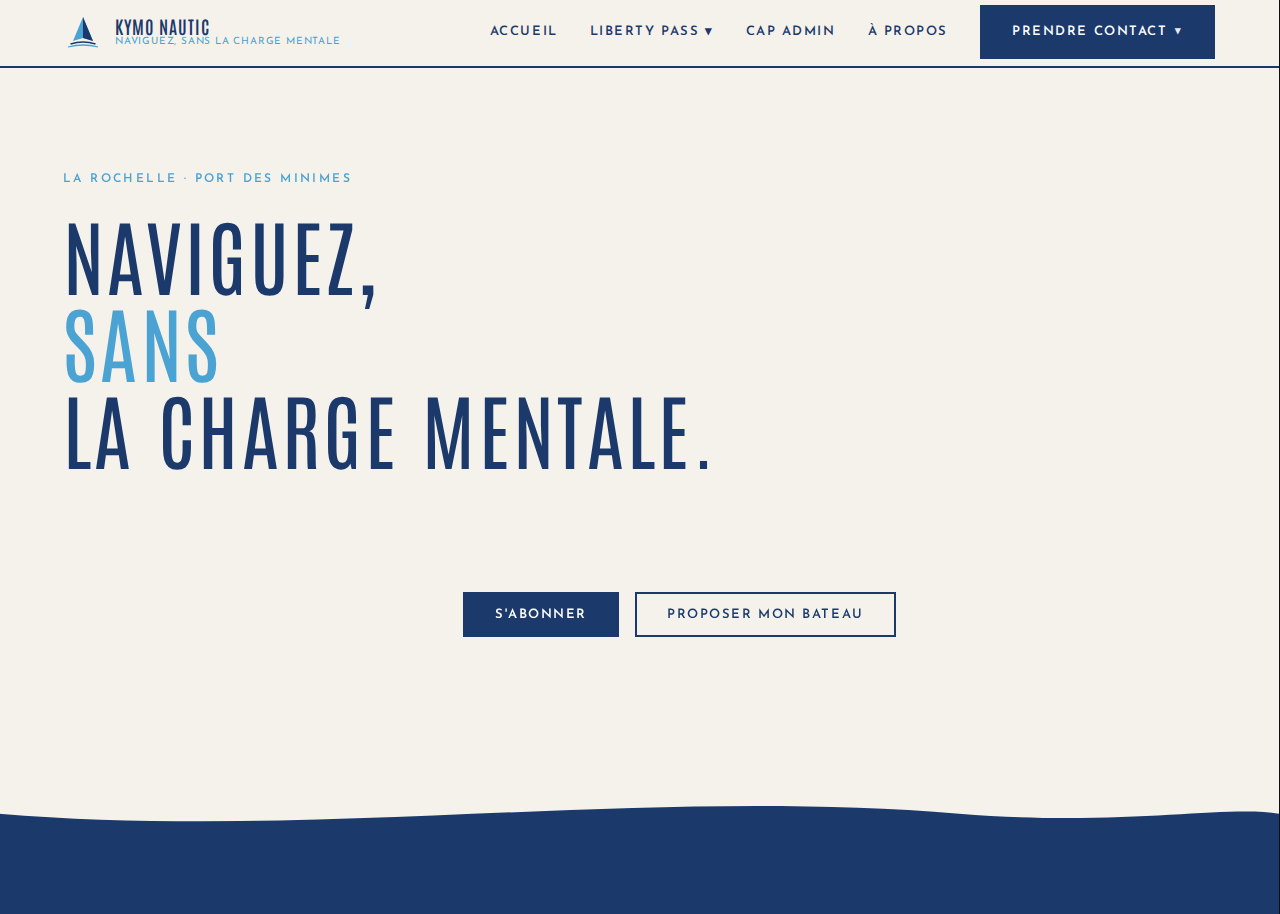
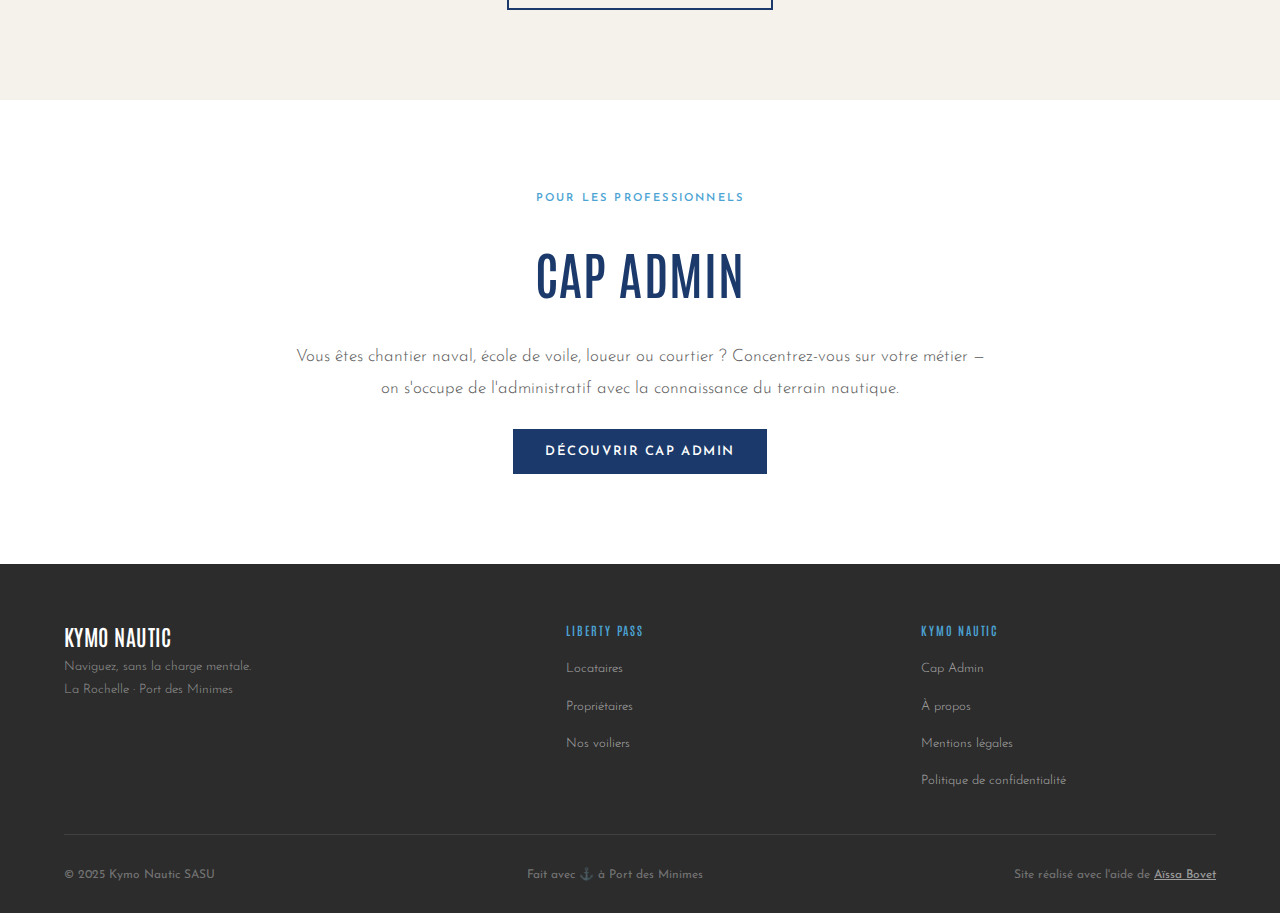
The result: a complete site for her sailboat rental business in La Rochelle. Not a landing page — a real application, with everything that goes behind it. The equivalent of three days of work, spread across the week, and the product was ready to launch.
To ship this result in three days, you normally need a team. Without AI, at least.
What shipped
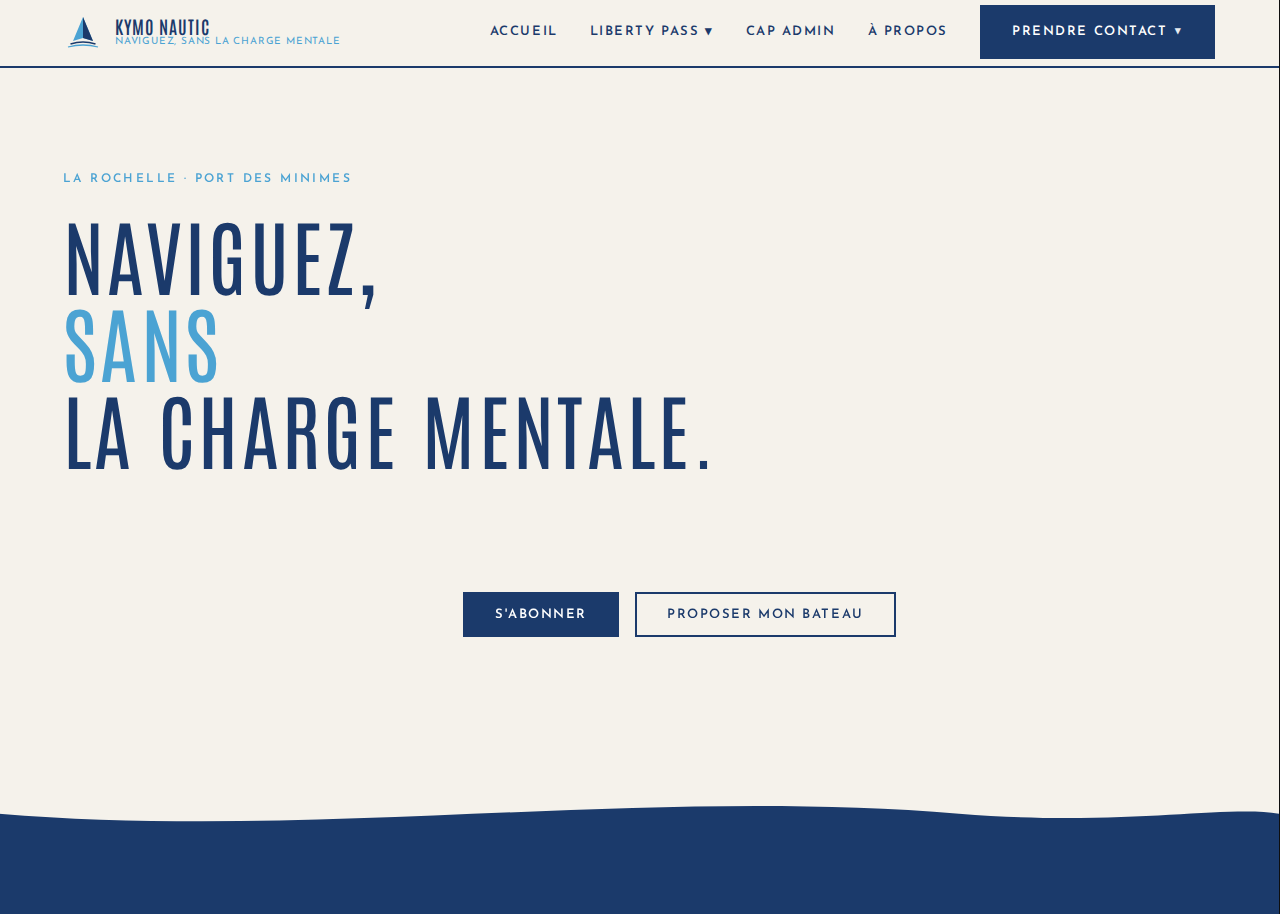
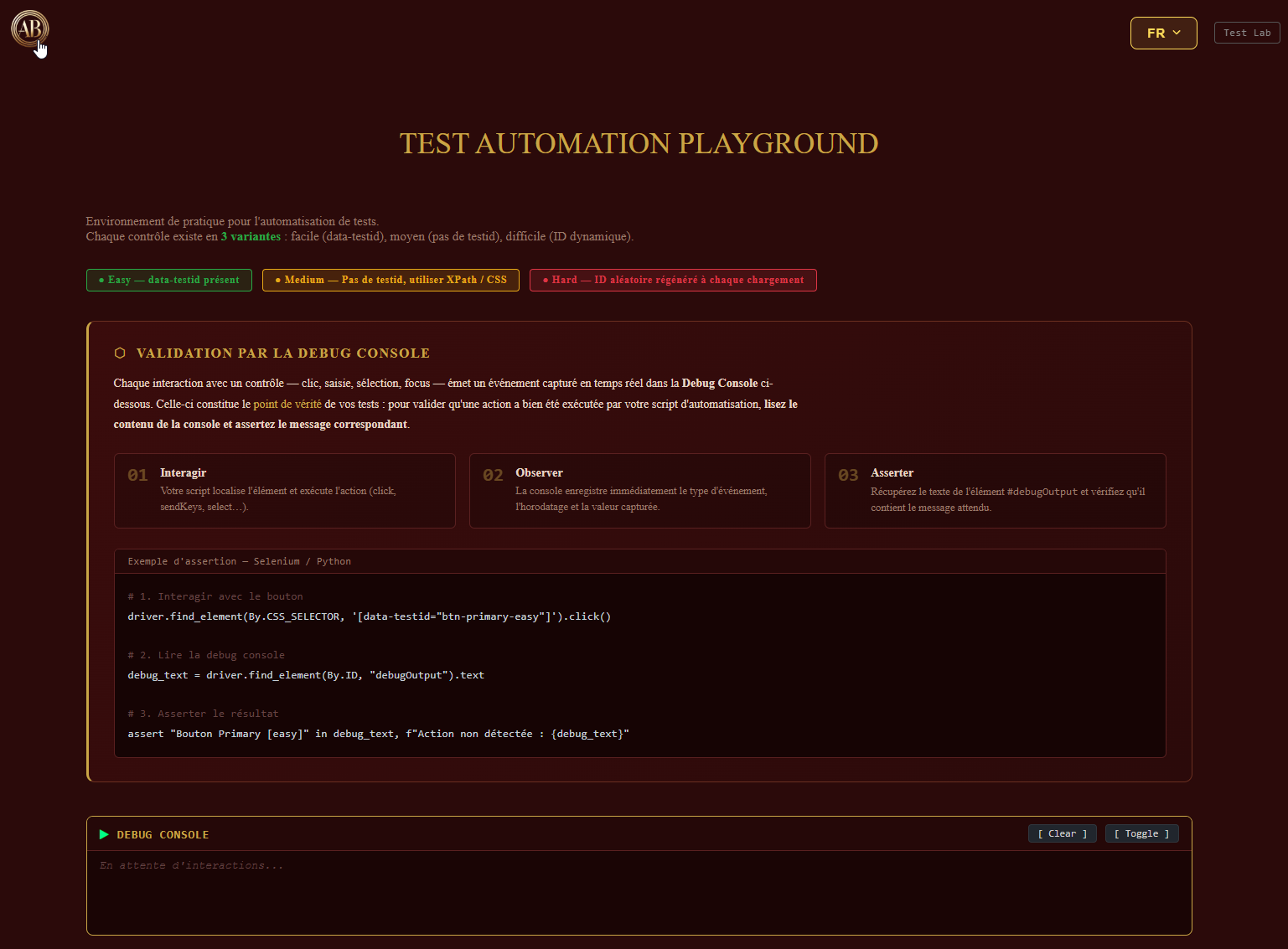
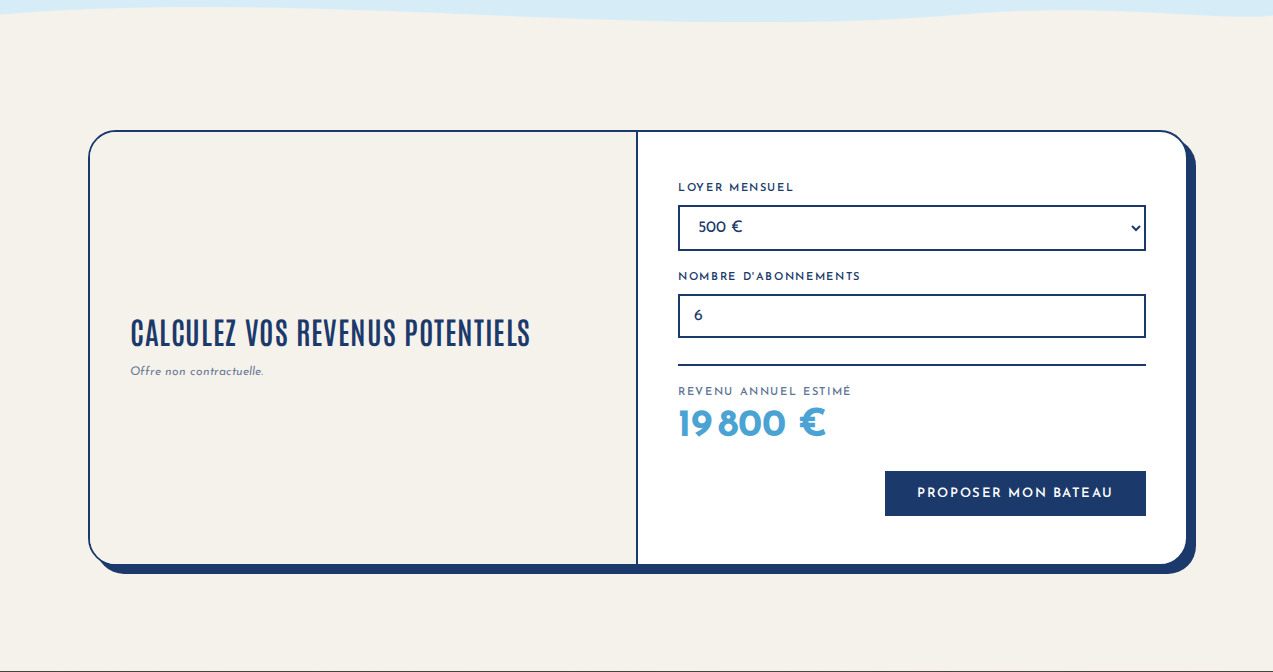
The site is a complete application. On the public side, a multi-page SPA with a filterable catalog, detail pages, and contact forms for three different audiences. Behind the scenes, an admin panel with authentication and full CRUD to manage the fleet. A REST API backed by a MySQL database. Forms that actually send mail, over SMTP. Around thirty E2E tests. Automatic deployment on every update.
Claude Code acted as a copilot. Architecture, technical choices, UX: driven on the human side. It sped up the writing of the code, generated part of the tests, and documented as it went.
Before, this was a team
Take the same scope, but with the classic setup.
A project manager would have framed the need, written the specs, set the schedule, and coordinated everyone. A designer would have produced the mockups, thought through the journeys for the three audiences, waited for sign-offs. A developer would have built the front end, the back end, the API, and the database. A tester would have written the test plan, run the campaigns, reported the bugs.
Four people. And between them, meetings. A kickoff meeting to start. Back-and-forth to approve the mockups. Regular progress check-ins. An acceptance review at the end. Every handoff costs time, because the context has to be re-explained to the next person.
On this kind of project, you're not on three days. You're on four to six weeks of calendar time, just for everyone to stay in sync.
Today, the pieces fit in a single head
The change isn't that one person replaces four. It's that a real craft, underneath, is now enough to cover the others.
Each of these four profiles holds an expertise that can't be improvised. The tester knows where things break. The developer knows the mechanics. The designer knows what holds up. The project manager knows how to frame and prioritize. That foundation is what changes everything.
Because on the areas you don't master, AI fills the gap. But it gets things wrong. Often. And it's the experience of the craft that lets you see it: spot the error, correct course, reject a shaky solution. Someone who knows their ground can tell when a generated answer rings false, even in an adjacent field.
Without that base, generated code is a trap: you stack things without understanding, you don't see what's off, you discover the holes in production. AI is only worth something to someone who can judge what it produces. That's what separates running a whole project from being replaced by a tool.
But not in equal parts
Holding the four roles doesn't mean holding them equally well. Nobody is at the same level everywhere.
Someone coming from testing will see the edge cases the others miss, but will have to push on the design side. Someone coming from design will produce a clean interface, but will lean more on the tool for technical rigor. Each profile leaves its strengths and its blind spots in the finished product.
That's not a problem, as long as you know it. The real risk is believing you cover an area as well as a specialist when you only sort of hold it. Being honest about your own gaps is part of the work.
A slow shift, and the end of the specialist reflex
Nothing flips overnight. It's a slow evolution, one that will take different paths depending on the context and on what each person emphasizes. But the direction is clear.
Where a team used to be needed, one person can now be enough. A person with an affinity for one part, who does it better than the rest, and who holds the rest with the right tools. Rather than four specialists passing the baton, one complete profile who carries the product end to end.
In today's landscape, the reflex to over-specialize is becoming a handicap. The skill that gains value is the one of touching everything. The generalist. Jack of all trades.
Kymo Nautic — sailboat rental in La Rochelle, Port des Minimes. Site built in three days, with Claude Code as a copilot. Going live on the owner's go-ahead.
More articles on the blog. To get in touch, find me on LinkedIn.